

The shape of a wooden popsicle stick is a seemingly simple yet fascinating subject that combines functionality, aesthetics, and manufacturing considerations. As a leading supplier of wooden popsicle sticks, I've had the privilege of delving deep into the nuances of their design and production. In this blog post, I'll explore the various aspects of the shape of wooden popsicle sticks, from their basic form to the factors that influence it.
Basic Shape of Wooden Popsicle Sticks
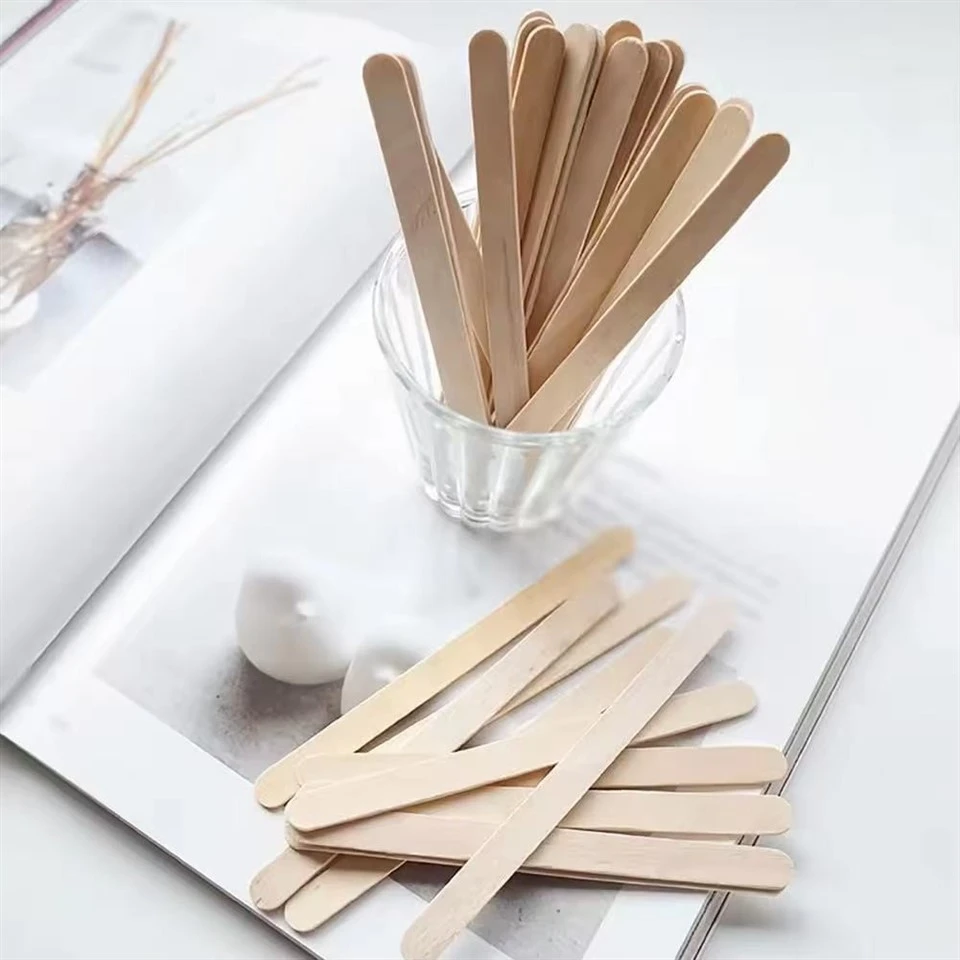
At first glance, a wooden popsicle stick appears to have a straightforward shape. It is typically rectangular in cross - section, with a flat top and bottom surface and two side edges. The length of the stick can vary, but common sizes include 93mm and 114mm. For instance, our 93mm Ice Crem Sticks and 114mm Ice Crem Sticks are designed to meet different needs in the ice - cream and frozen dessert industry.
The rectangular cross - section is not just a random choice. It offers several advantages. Firstly, it provides a stable base for the frozen treat. When a popsicle or an ice - cream is attached to the stick, the flat surfaces ensure that the weight of the dessert is evenly distributed, reducing the risk of the stick breaking or bending under the load. Secondly, the rectangular shape is easy to hold. The flat sides fit comfortably between the fingers, allowing consumers to enjoy their frozen treats without any discomfort.
Tapered Ends
One of the distinctive features of many wooden popsicle sticks is the tapered ends. The stick gradually narrows towards the tips, creating a pointed or rounded end. This design serves multiple purposes.
From a manufacturing perspective, tapered ends are easier to produce. During the cutting and shaping process, it is more efficient to create a tapered end rather than a blunt one. It also reduces the amount of waste generated during production, as the wood can be more effectively utilized.
Functionally, tapered ends are beneficial for inserting the stick into the frozen dessert. The pointed or rounded tip can easily penetrate the soft ice - cream or popsicle mixture, ensuring a secure attachment. It also reduces the risk of the stick cracking the dessert during insertion, which could lead to a less appealing final product.
Surface Texture
The surface of a wooden popsicle stick is usually smooth. This smoothness is not only for aesthetic reasons but also for practical purposes. A smooth surface is more hygienic as it is easier to clean and less likely to harbor bacteria or other contaminants. It also provides a pleasant tactile experience for the consumer.
However, in some cases, a slightly textured surface may be preferred. For example, a very fine grain texture can enhance the grip of the stick, especially when the hands are wet from the melting ice - cream. This can prevent the stick from slipping out of the hand, reducing the chances of the dessert being dropped.
Material and Shape Relationship
The choice of wood for making popsicle sticks also influences their shape. Natural birch wood is a popular choice, and our Natural Birch Wood Ice Cream Sticks are a testament to its suitability. Birch wood is strong, lightweight, and has a relatively straight grain.
The straight grain of birch wood allows for a more uniform shape during the manufacturing process. It is easier to cut and shape the wood into the desired rectangular cross - section and tapered ends without significant warping or splitting. The strength of the wood ensures that the stick can withstand the forces exerted during normal use, such as holding the weight of the frozen dessert and being handled by consumers.
Design Variations
While the basic shape of a wooden popsicle stick remains relatively consistent, there are some design variations to meet specific market demands. For example, some sticks may have a thicker or thinner cross - section depending on the type of dessert they are intended for. A thicker stick may be used for larger, heavier frozen treats, while a thinner stick may be more suitable for smaller, lighter ones.
In addition, some popsicle sticks may have decorative elements. They could be engraved with patterns, logos, or messages. These decorative features not only add an aesthetic appeal but can also serve as a marketing tool for ice - cream manufacturers.
Quality Control and Shape
As a supplier of wooden popsicle sticks, quality control is of utmost importance. Ensuring that each stick has the correct shape is a key part of the quality control process. We use a combination of manual and automated inspection methods to check the shape of the sticks.
Automated machines can measure the dimensions of the sticks, including the length, width, and thickness, with high precision. They can also detect any irregularities in the shape, such as uneven tapering or warping. Manual inspection is also carried out to check for any visual defects that may not be detected by the machines, such as scratches or splinters.
Environmental Considerations
The shape of wooden popsicle sticks also has environmental implications. As a responsible supplier, we are committed to sustainable forestry practices. The design of the stick, including the tapered ends and efficient use of wood, helps to minimize waste during production.
Furthermore, wooden popsicle sticks are biodegradable. Their simple shape and natural material make them an environmentally friendly alternative to plastic or other non - biodegradable materials. When disposed of properly, they will break down over time, reducing their impact on the environment.
Conclusion
In conclusion, the shape of a wooden popsicle stick is a carefully considered design that combines functionality, aesthetics, and manufacturing efficiency. From the rectangular cross - section to the tapered ends, every aspect of the shape serves a purpose. As a supplier, we take pride in providing high - quality wooden popsicle sticks that meet the diverse needs of our customers in the ice - cream and frozen dessert industry.
If you are in the market for wooden popsicle sticks, we would love to discuss your requirements. Whether you need a specific size, shape, or design variation, our team of experts is ready to assist you. Contact us to start a procurement discussion and find the perfect wooden popsicle sticks for your business.

References
- Textbooks on woodworking and manufacturing processes
- Industry reports on the ice - cream and frozen dessert market
- Research on sustainable forestry and environmental impact of wooden products